




Specializes in customized indoor playground solutions that are safe, creative and efficient, helping you build engaging play spaces faster and more reliably.
In the U.S. family entertainment market,more and more families are no longer satisfied with just a “one-time visit.” They place greater emphasis on the overall experience, interactivity, and whether their children will want to “come back again.”For family entertainment centers,what truly determines profitability is not one-time foot traffic, but a steady stream of repeat customers.
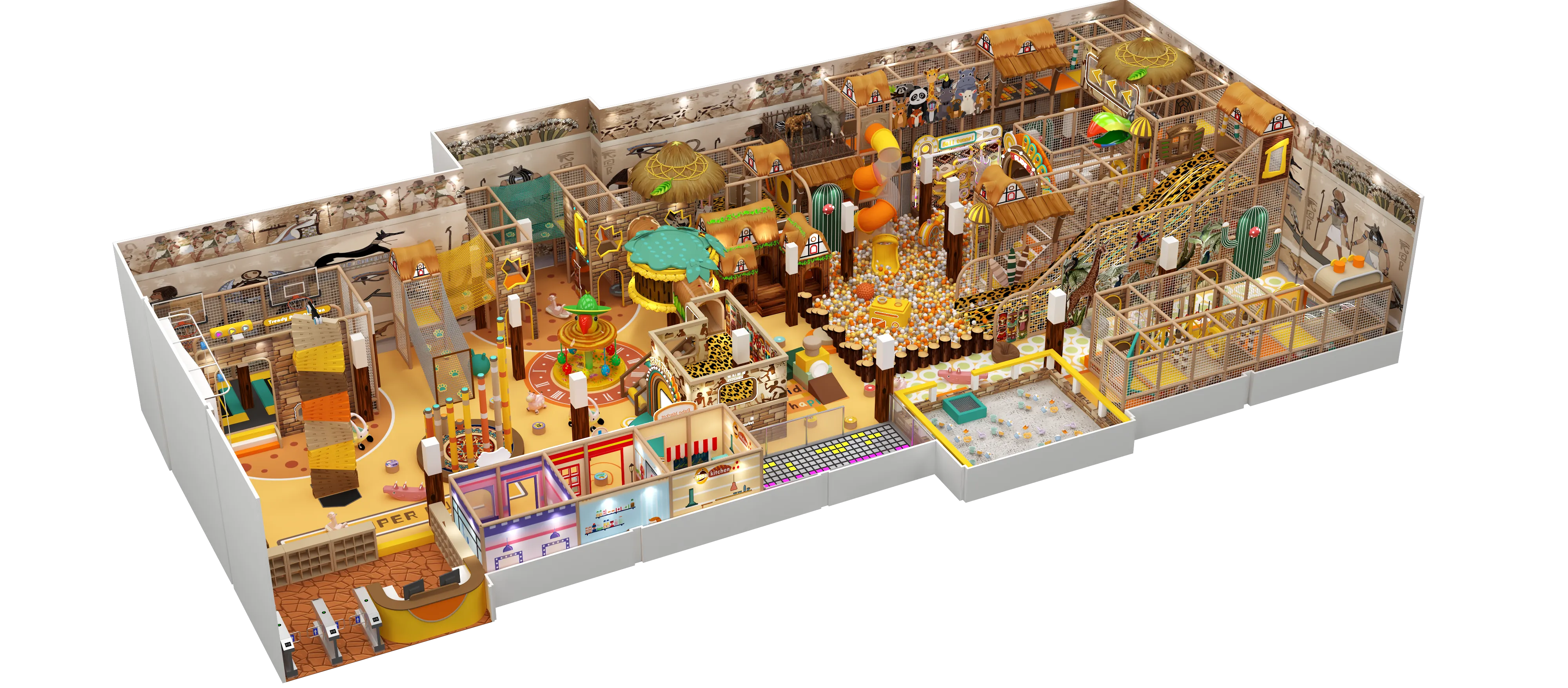
In recent years, many Family Entertainment Centers (FECs) in the U.S. have discovered an underestimated growth opportunity: themed soft play equipment.
From standard ball pool pits to immersive space adventure parks;from simple slides to interactive jungle adventure spaces, themed inflatable play structures are helping numerous children’s play centers achieve:
- A 40% increase in repeat customer rates
- A 60% increase in parent dwell time
- A significant increase in membership renewal rates
- A doubling of organic social media reach
So, how exactly do American indoor amusement parks and family entertainment centers pull this off? This article will take an in-depth look at their operational strategies.
Why Are Traditional Children’s Playgrounds Finding It Increasingly Difficult to Retain Customers?
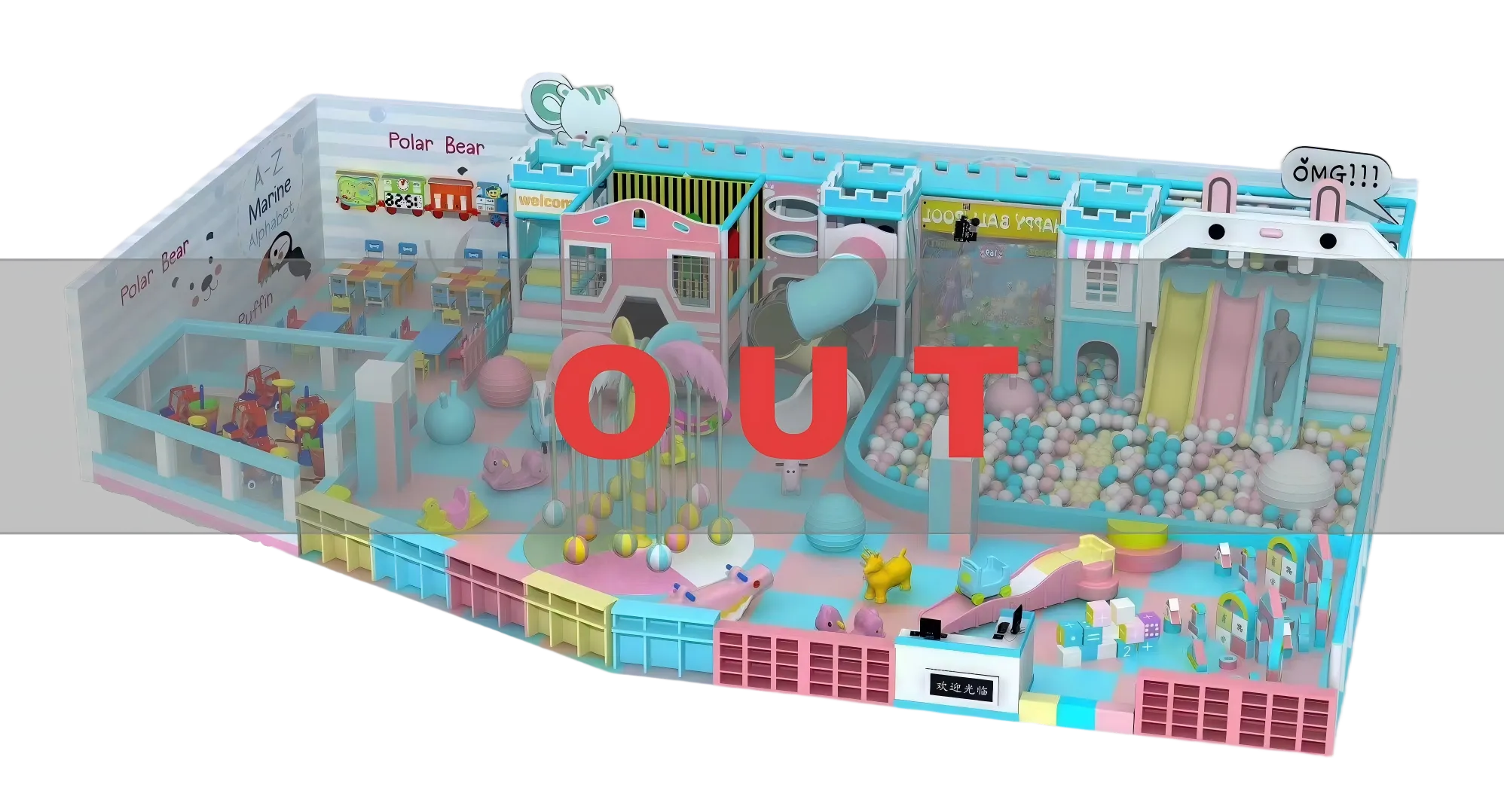
In the past, many children’s playgrounds shared a common problem:
“Kids get bored after just one visit.”
The reasons are quite simple:
- Lack of variety in play areas
- Limited interactive play experiences
- Lack of storytelling
- No memorable emotional moments
Traditional playground equipment tends to emphasize “functionality,” such as:
- Soft play slides
- Climbing frames
- Ball pits
- Trampoline jumping beds
But today, American families’ spending habits have changed.
Parents are more willing to pay for the following experiences:
- Immersive themed spaces
- Photo-worthy settings
- Educational interactions
- Environments that spark children’s curiosity
In other words:
In the future, the children’s entertainment industry will no longer compete on the “number of attractions,” but on “themed experiences.”
What are themed soft play structures?
Themed soft play structures are more than just a change of color.
At their core, they are:
“Transforming children’s play spaces into story worlds”
For example:
Ocean theme
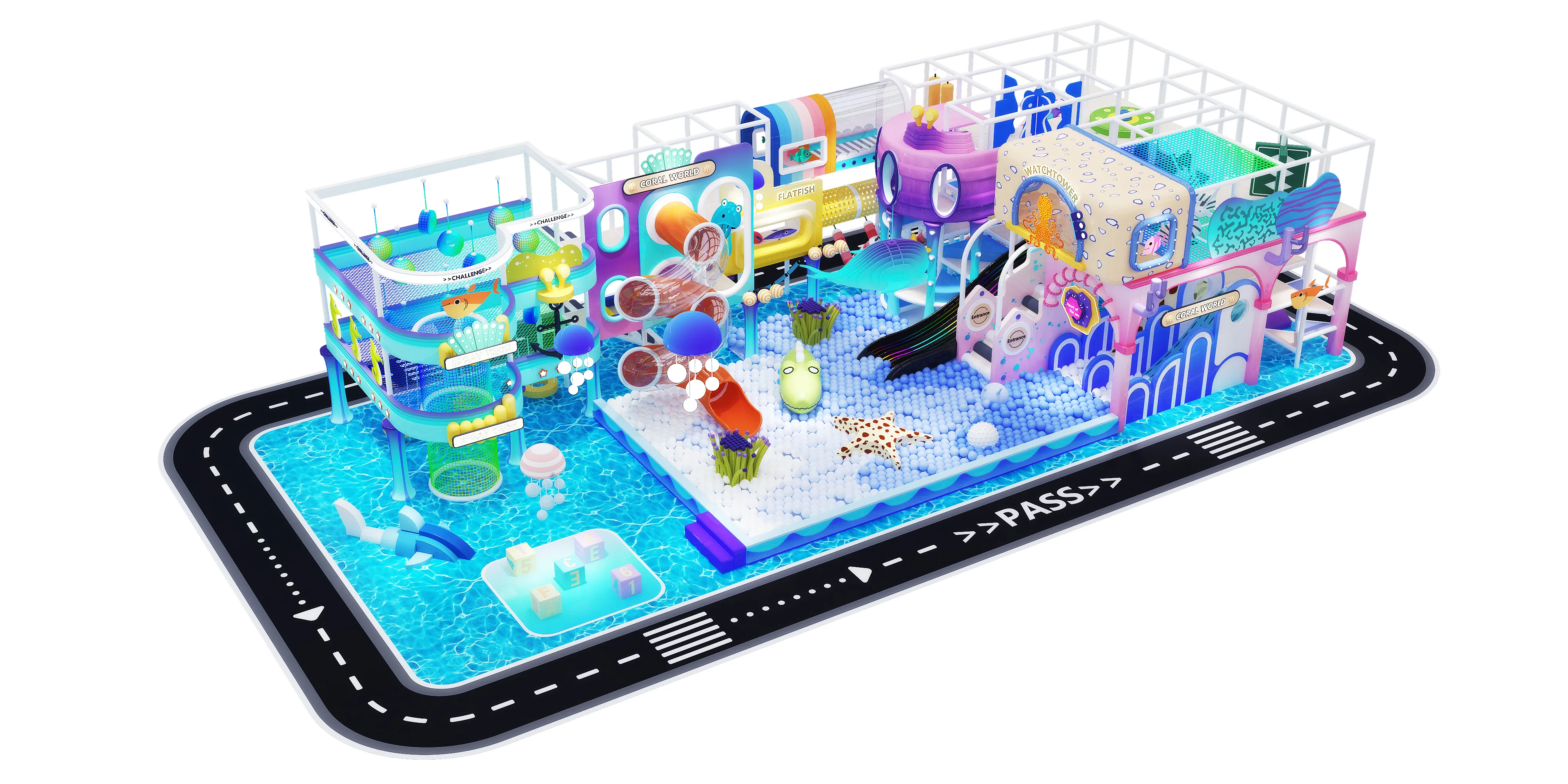
Once inside, children will see:
- A shark slide
- A submarine tunnel
- A glowing ball pit
- Interactive jellyfish lights
The entire space feels like an underwater play adventure.
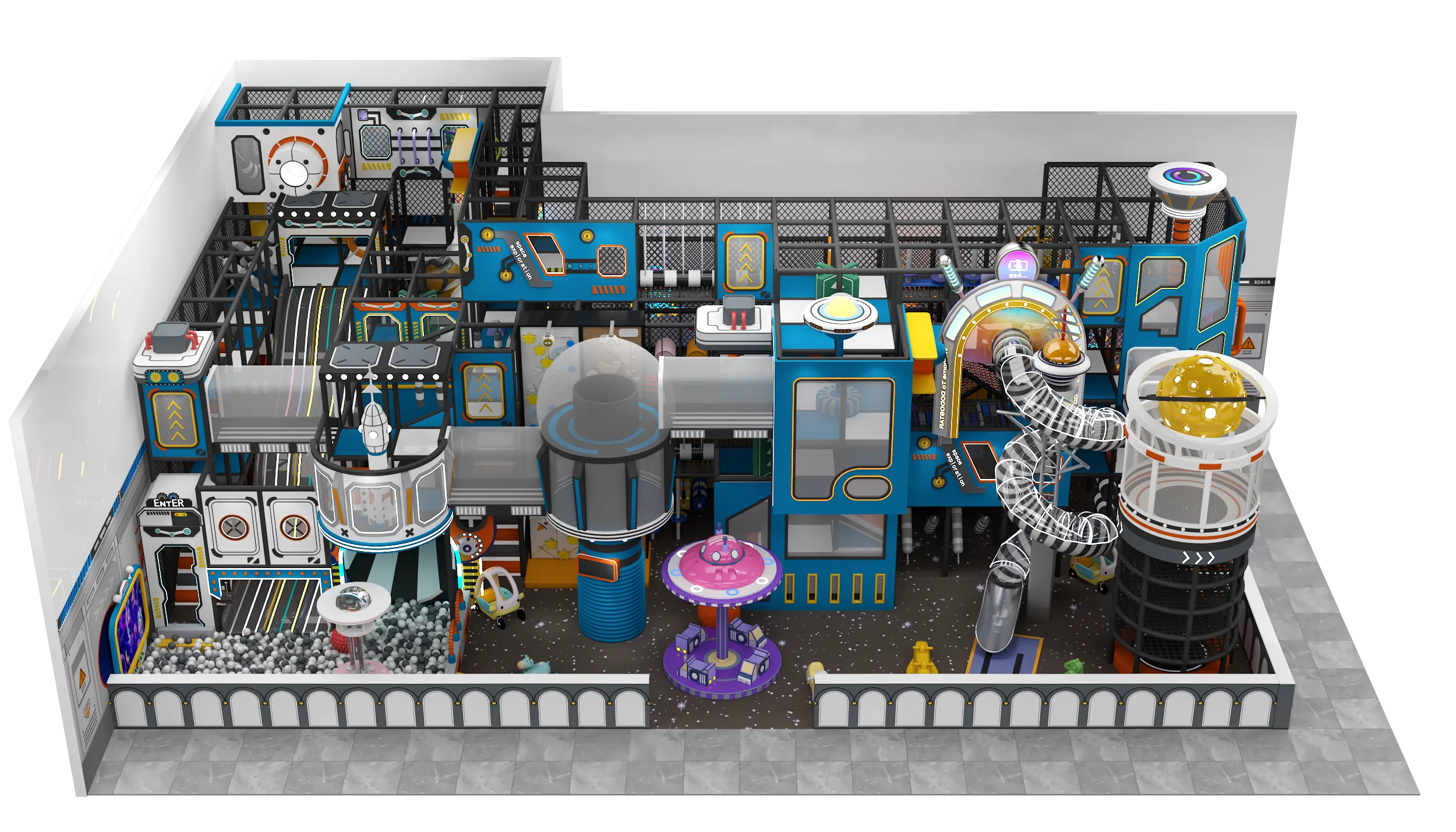
Space Theme
Includes:
- Rocket Climbing Tower
- Interstellar Obstacle Course
- AR Interactive Space Wall
- Planet Hopping Area
Children will feel fully immersed in the experience of "exploring the universe."
Jungle Theme
Features:
- Life-like treehouse
- Rope suspension bridge
- Animal-themed elements
- Adventure course
Children will spend significantly more time here.
Why Does Thematization Significantly Increase Repeat Visits?
1. Children Form “Emotional Memories”
Standard Playground Equipment:
“I have played there before.”
Themed Playground Equipment:
“I want to go back to the Soft Space Station!”
Children’s brains remember:
- The storyline
- The sense of role-playing
- The adventure
- The visual stimulation
These memories are far more lasting than those created by a standard slide.
As a result, repeat visit rates naturally increase.
2. Parents are more likely to take photos and share them
Family-oriented consumption in the U.S. relies heavily on:
- TikTok
- Google Reviews
If a play park features visually appealing themed areas,parents will naturally:
- Take photos
- Post short videos
- Share check-in content
This generates a significant amount of free exposure.
Many U.S. children’s play centers have found that:
A viral themed play area can be even more effective than paid advertising.
3. Children will ask to visit again on their own
This is the most crucial point.
In many families, it’s actually the children who decide where to go on weekends.
When children keep saying:
- “I want to go back to Dinosaur Land”
- “I want to complete the space mission”
the likelihood of parents returning significantly increases.
This is also why themed play parks have higher membership conversion rates.
How Did an American Amusement Entertainment Center Increase Its Repeat Customer Rate by 40% Through Playground-Themed Design?
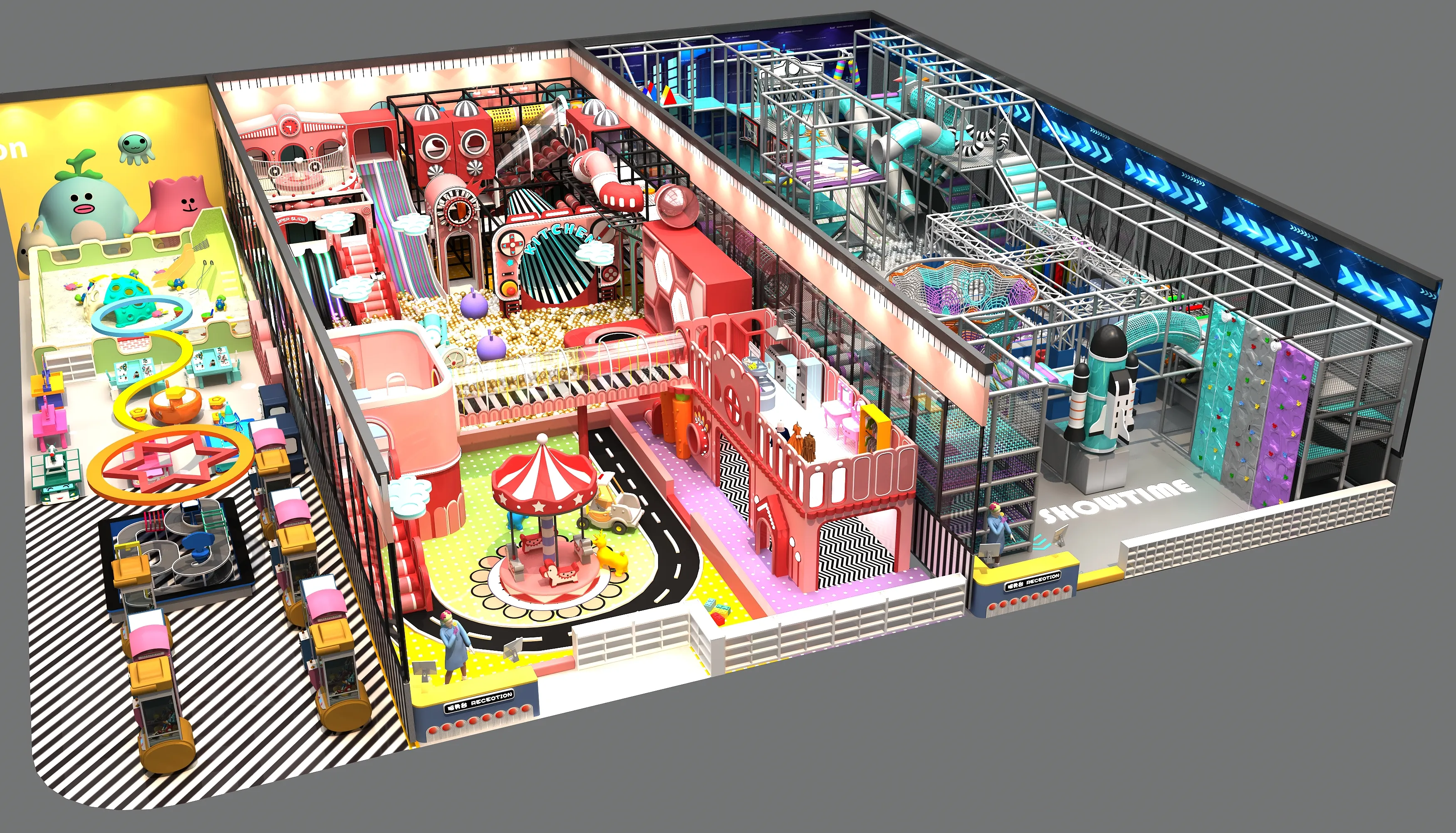
Here are a few key strategies.
Strategy 1: Continuously Update Themed Content
Children’s play centers in the U.S. with high repeat visit rates share one common trait:
They update certain themed play areas every 3–6 months.
For example:
Spring:
- Forest Jungle Gym Adventure
Summer:
- Ocean Theme Party
Halloween:
- Pumpkin Castle
Christmas:
- Winter Wonderland
These “seasonal changes” encourage repeat visits.
Children will feel:
“There’s something new every time I come.”
Strategy 2: Add Interactive Tech Experiences
Interactive tech experiences are all the rage in American children’s playgrounds today:
“Digital interactive soft play equipment”
For example:
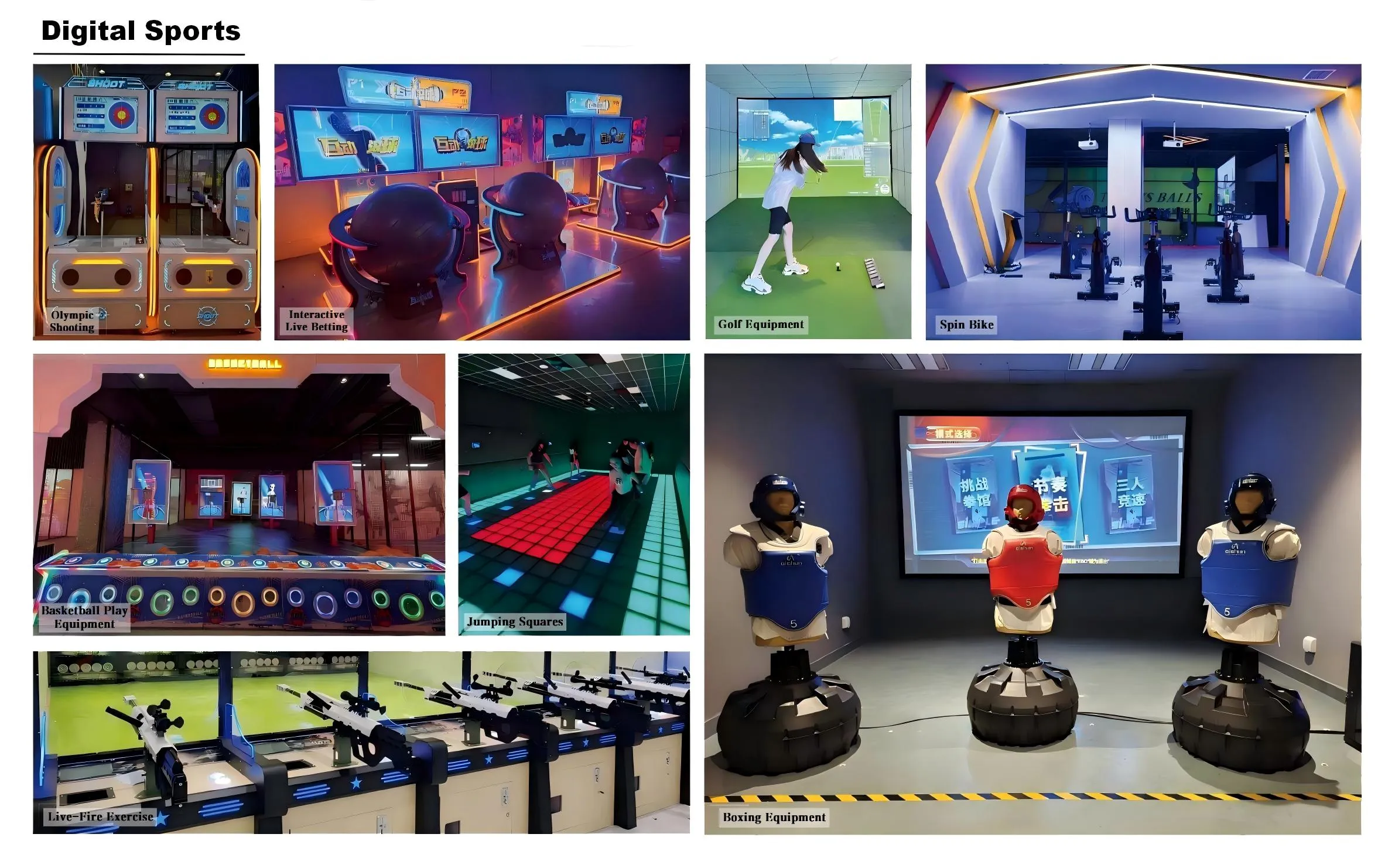
- Interactive projection floors
- Sensory climbing walls equipment
- AR interactive play areas
- LED interactive ball pits
Why does this work?
Because traditional slides can only be used once.
But with interactive game equipment:
Every experience is different.
Children won’t lose interest quickly.
Strategy 3: Creating Age-Specific Experiences
A common problem with many unsuccessful theme parks is that
all children play on the same set of playground equipment.
However, successful examples in the U.S. segment their spaces as follows:
1–3 Years Old Play Game Area
- Low-height soft play structures
- Sensory interactions
- Safe crawling play areas
4–7 Year-Old Play Game Zone
- Adventure challenges
- Small obstacles
- Character interactions
8–12 Year-Old Play Game Zone
- High-difficulty obstacle courses
- Digital competitions
- Team missions
This approach ensures that children of all ages can maintain a sense of novelty.
Strategy 4: Strengthen IP-Themed Storylines
More and more U.S. entertainment playground centers are adopting:
- Dinosaur themes
- Space themes
- Urban career experiences
- Pirate adventures
- Magic academies
The reason is simple:
IP naturally enhances children’s sense of immersion.
Children aren’t just “playing on theme park equipment.”
Instead, they are:
- Saving the universe
- Searching for treasure
- Completing missions
- Battling monsters
This significantly increases dwell time and repeat purchase rates.
Strategy 5: Integrating a Membership System with Soft Themed Activities
Soft amusement parks with high repeat visit rates typically offer:
- Themed birthday parties
- Parent-child challenge activities
- Stamp collection systems
- Quarterly adventure events
For example:
After completing various themed adventure challenges,children can earn:
- Medals
- Character cards
- Level-up rewards
This soft play system is highly effective at cultivating long-term users.
Data Shows: Why Are Themed Soft Play Facilities More Profitable?
According to trends in the North American children’s entertainment industry:
Themed soft play spaces typically generate:
Metric |
Percentage Increase |
| Repeat Customer Rate | 40% |
| Time Spent | 60% |
| Parent Social Media Shares | 75% |
| Membership Renewals | 35% |
| Birthday Party Orders | 50% |
The reason is:
Soft themed activities enhance the "value of the experience."
Parents tend to think:
"This isn't just play; it's a growth experience."
As a result, they are willing to pay a higher price per customer.
Why are "soft play structures" more popular than traditional steel frame structures?
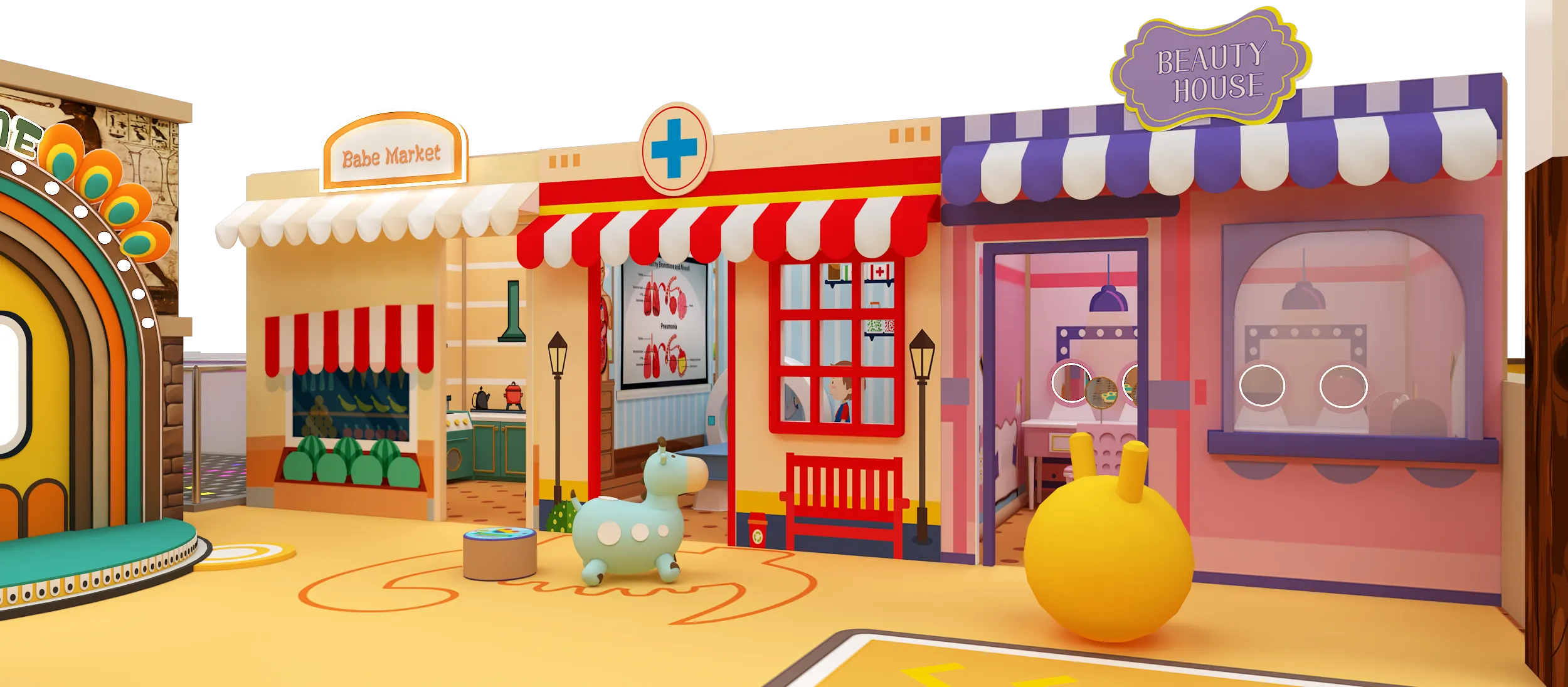
The U.S. market is increasingly favoring soft play structures for reasons including:
Greater safety
Parents feel more at ease.
Best suited for young children
Especially:
- Ages 2–8
- Preschoolers
This is the demographic with the highest purchase frequency.
Greater playground design flexibility
Upholstered structures are easier to create:
- Animal shapes
- Castle shapes
- Space scenes
- Immersive environments
More striking visual effects.
Better suited for indoor commercial play complexes
Many shopping malls in the U.S. are introducing:
- Small-scale themed children’s play areas
- Immersive family entertainment spaces
Soft-fit play facilities are easier to adapt to the venue.
Future Trends:Immersive Family Amusement Entertainment Is Growing Rapidly
 Over the next three years,several distinct trends will emerge in the U.S. family entertainment industry:
1. An increase in small, boutique-style soft theme parks
Bigger isn’t always better.
Rather:
The more unique a playground park is,the easier it is to turn a profit.
2. The Integration of “Education and Entertainment”
STEM-themed amusement parks are gaining popularity:
- Scientific exploration
- Space experiments
- Engineering challenges
Parents are more willing to pay higher prices.
3. The Integration of AI and Interactive Technology Play
In the future,children’s playgrounds will increasingly resemble:
- Game worlds
- Immersive movies
- Digital interactive spaces
Traditional soft amusement parks centered on rides will gradually lose their competitive edge.
Conclusion: It’s not the equipment that truly boosts repeat business—it’s the experience.
A growing number of family entertainment centers in the U.S. have proven that:
Children never remember the slides.They remember the stories.
The reason themed soft play facilities can boost repeat customer rates by 40% is fundamentally because they create:
- Emotional value
- A desire to explore
- Social sharing
- Family memories
In the future,the focus of competition in the children’s entertainment industry will shift from “playground venue size” to:
“The ability to deliver immersive themed playground experiences”
Whoever can make children eagerly anticipate their next adventure will truly win long-term customers.