




Specializes in customized indoor playground solutions that are safe, creative and efficient, helping you build engaging play spaces faster and more reliably.
In recent years, with the rise in family-oriented consumption and the rapid development of the experience economy, indoor play centers have become a hot sector attracting the attention of an increasing number of entrepreneurs, investors, and commercial real estate operators. Whether it’s children’s play centers, trampoline parks, or digital family entertainment centers (FECs), market demand continues to grow.
However, for many first-time investors, a practical challenge remains: How can they reduce the startup costs of an indoor soft play center?
In fact, opening an indoor playground equipment does not necessarily require a large investment. By carefully planning the venue layout, optimizing equipment procurement, controlling renovation budgets, and improving operational efficiency, investors can effectively reduce initial financial pressure while ensuring a high-quality experience.
This article will provide a comprehensive analysis of the key factors affecting the costs of indoor playgrounds and share practical methods for reducing startup costs, helping you create a project with higher returns on a smaller budget.
What are the main components of the cost of opening an indoor playground?
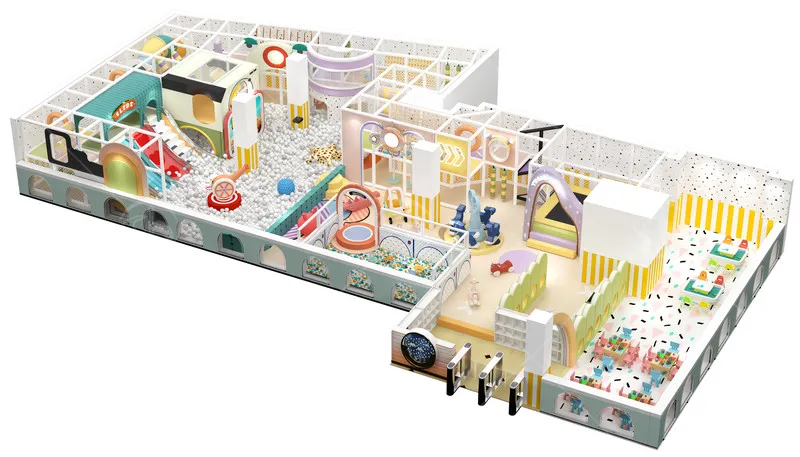
Before discussing how to reduce costs, it is first necessary to understand the cost structure. The startup costs for an indoor playground typically include the following components:
- Facility rent
- Renovation costs
- Purchase of soft contained play equipment
- Installation costs for play area equipment
- Labor costs
- Licenses and insurance
- Marketing and promotion expenses
- Operating reserve funds
Generally speaking, the purchase of kids' soft play equipment and venue rent account for the largest portion of the total costs. Therefore, these two areas are often the primary focus for cost optimization.
Method 1: Choose the Right Location, Not the Most Expensive One
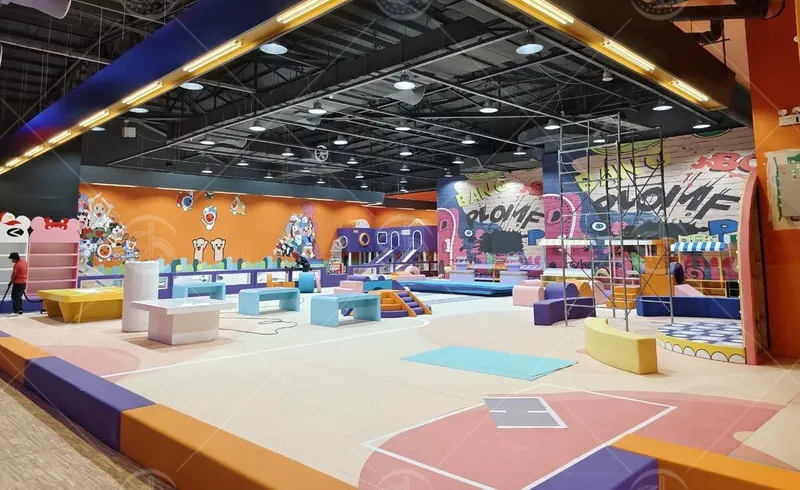
Many investors in this sector fall into the misconception that the more popular the location, the better. In reality, not all indoor play centers need to be located in prime commercial districts:
- Compared to central business districts, prioritize areas offering good value for money: neighborhood commercial centers, suburban shopping malls, newly developed commercial districts, and areas near large residential communities. These areas have a stable family customer base and strong potential for repeat business. More importantly, rents are lower, which can significantly reduce the pressure of initial investment.
- Keep the venue size in check: Many play equipment entrepreneurs opt for large venues right from the start, which increases equipment and renovation costs. It is recommended to choose small or medium-sized indoor play centers based on your budget. Therefore, blind expansion is not advised in the early stages.
Method 2: Optimizing the Playground Equipment Procurement Budget
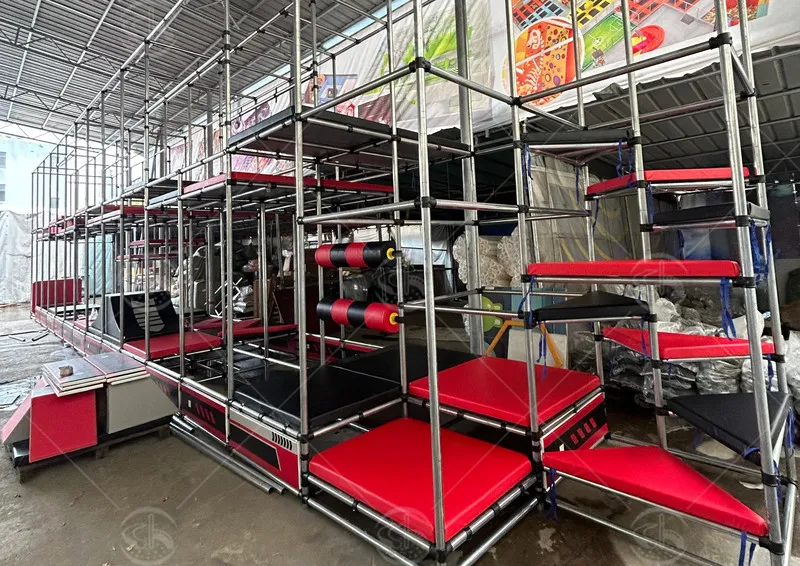
The procurement of indoor children’s indoor soft play system typically accounts for 30%–50% of the total investment, making it the most critical area for cost reduction:
- Purchase directly from commercial play attraction manufacturers: Many investors source through intermediaries, which increases channel markups, communication costs, and project timelines. Collaborating directly with soft playground equipment manufacturers typically reduces procurement costs. This is especially true when sourcing commercial indoor play equipment from China, as Chinese manufacturers offer lower production costs, stronger customization capabilities, and more extensive, mature product lines. This is also a common choice among global buyers.
- Avoid blindly pursuing “bigger and more comprehensive”: Many startup project owners initially purchase large quantities of interactive equipment, complex themed facilities, or high-cost electronic systems. As an indoor commercial play maze manufacturer, we prioritize recommending equipment with a high ROI, such as play castles, ball pits, fiberglass slides, soft-padded projection slides, and basic climbing structures. These indoor play facilities are typically very popular, relatively low-cost, and easy to maintain on a daily basis.
- Using modular soft play equipment can effectively reduce initial investment, expansion costs, and ongoing maintenance expenses. As your business grows in the future, you can gradually expand your play equipment. This approach offers greater flexibility than a one-time, heavy investment.
Method 3: Reduce Unnecessary Renovation Expenses
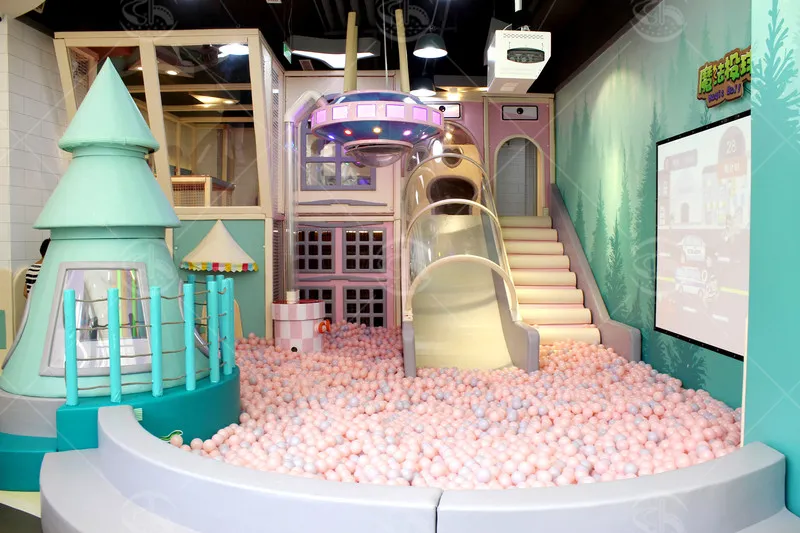
Many indoor play centers lose control of their costs because renovation expenses exceed the budget:
- Prioritize the play experience over luxurious decoration. High-end renovations do not necessarily lead to higher profits. Customers care more about safety, fun, and cleanliness than expensive decorative materials. We recommend allocating the budget primarily to the quality of smart soft play equipment, safety features, and lighting ambiance.
- Adopt a minimalist design strategy, typically involving simple wall designs, selective thematic accents, and cost-effective flooring, to reduce renovation costs.
Method 4: Control Labor Costs
Labor is an ongoing expense, and reducing labor costs can improve cash flow:
- Optimize staffing schedules based on foot traffic: Increase staff during peak hours and reduce staffing during off-peak hours to avoid wasting manpower.
- Implement self-service systems: Self-service ticketing, online reservations, and automated ticket validation. Digital tools can reduce the workload on front-desk staff.
Method 5: Reduce Marketing and Customer Acquisition Costs
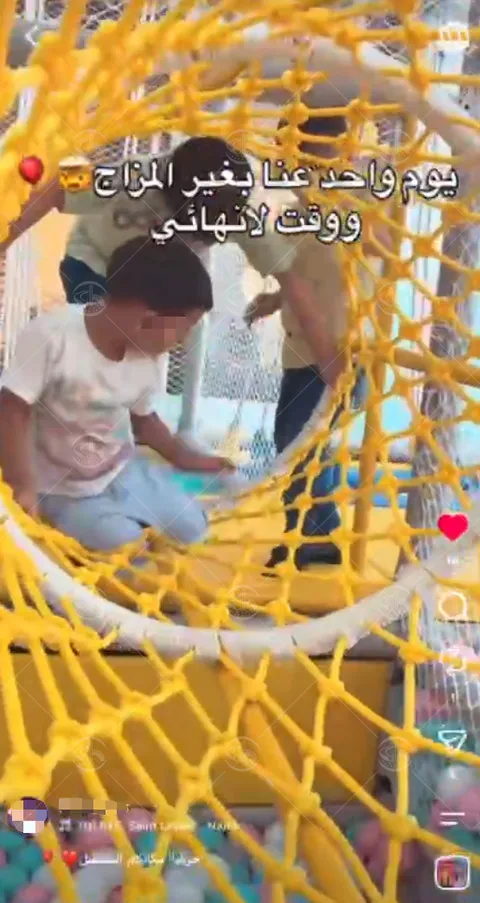
In the early stages of opening a business, many investors spend too much on Google Ads. In fact, they can adopt lower-cost strategies:
- Social media marketing on short-video platforms: Instagram, TikTok, Facebook, and YouTube Shorts. Visual content is naturally well-suited for sharing.
- Leverage user-driven growth: Encourage users to share check-in photos, videos, and family experiences. Word-of-mouth marketing has the lowest cost.
- Member-driven growth: Offer referral rewards, promotional discounts, and group-buying events to improve customer acquisition efficiency.
Method 6: Plan Your Cash Flow Wisely
Many projects fail not because they aren’t profitable, but because of a cash flow crisis. Therefore, it is essential to set aside working capital:
Set aside a contingency fund: We recommend setting aside 3–6 months’ worth of working capital to cover rent, salaries, utilities, and marketing expenses, as this can significantly reduce risk.
Method 7: Choose a High-Return Business Model
Different operating models have a significant impact on costs:
- Ticket-based model: This is the most common model and provides stable revenue.
- Membership model: This model generates cash upfront and increases repeat purchase rates, which greatly helps cash flow.
- Diversified revenue model: This can include birthday parties, educational courses, retail, and food service. Diversified revenue streams can improve sales per square foot.
The Most Common Cost Misconceptions in Indoor Playground Investments
Avoiding mistakes is more important than saving money:
- Misconception 1: More play equipment is better. A streamlined design is often more efficient.
- Misconception 2: Focusing solely on purchase price. A cheap indoor playground may mean poor quality, a short service life, and high maintenance costs. You should focus on life-cycle costs.
- Misconception 3: Neglecting maintenance costs for cleaning, replacement of parts, and safety inspections. All of these should be included in the budget.
Summary: Reducing Costs Does Not Mean Compromising Quality
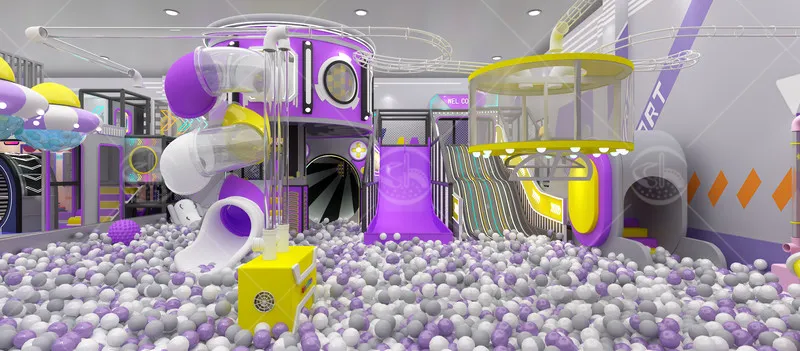
The key to lowering the startup costs of an indoor playground is not simply cutting the budget, but rather investing funds in areas that truly impact revenue.
The keys to successful cost control include:
- Selecting a venue with a high cost-performance ratio
- Optimizing equipment procurement
- Controlling the renovation budget
- Reducing labor and marketing costs
- Effective cash flow management
For entrepreneurs in the indoor playground industry, what truly matters is allocating resources more efficiently to create indoor playgrounds that offer a superior experience, high repeat business, and strong profitability, all within a limited budget. With proper planning, it is possible to successfully develop a competitive indoor playground project even with a limited budget.