




Specializes in customized indoor playground solutions that are safe, creative and efficient, helping you build engaging play spaces faster and more reliably.
In recent years, with the rapid growth of the parent-child consumer market, indoor play centers have gradually become a hot startup sector. Whether it’s indoor climbing playground, trampoline parks, or family entertainment playground equipment, they have all attracted a large number of investors to the market.
On the surface, the barriers to entry in the indoor play industry seem low: rent a space, purchase equipment, and complete renovations. Then you’re ready to open. However, the reality is far more complex than one might imagine. Although many entrepreneurs have invested substantial capital, they struggle to turn a profit due to strategic missteps, operational shortcomings, or budget overruns.
So, what are the most common mistakes made when launching an indoor playground business? How can these issues be avoided?
This article will provide an in-depth analysis of the mistakes entrepreneurs are most prone to making, helping you mitigate risks before launching your project and increase the likelihood of investment success.
Why Do Many Indoor Playground Startups Fail?
Before discussing specific mistakes, we need to clarify one point:
Most failures are not due to a lack of market demand.
The real problems usually stem from:
- Insufficient preliminary planning
- Poor site selection
- Failure to control costs
- Mistakes in equipment procurement
- Lack of operational strategies
In other words, failure often results from avoidable decision-making errors.
Mistake 1: Investing Blindly Without Proper Market Research
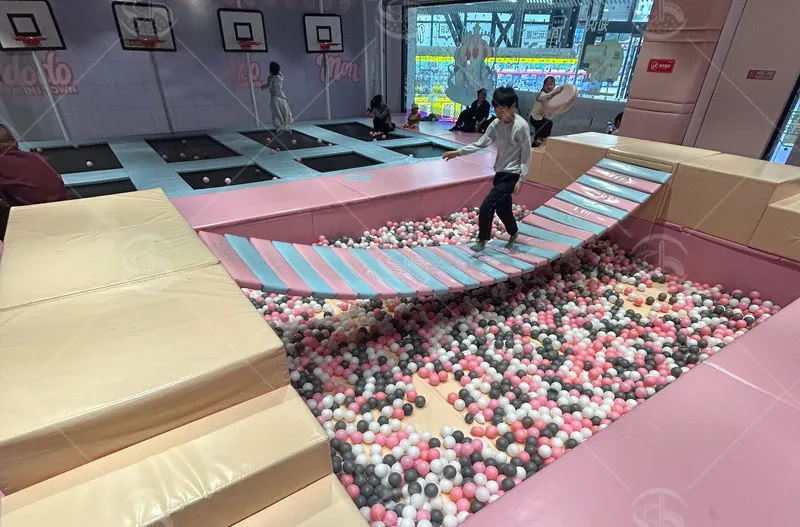
This is one of the most common and most fatal mistakes. Many entrepreneurs rush into the market after seeing others make money. They often overlook key questions:
- Is there a large enough local family customer base?
- What is the purchasing power like?
- Is competition intense?
- What do customers really need?
Without market research on the commercial indoor recreation playground, all decisions may be based on flawed assumptions.
How to avoid this?
We recommend conducting the following research before opening:
Local demographic structure: Focus on the number of children, the number of households, and income levels.
Competitor analysis: Examine how many family fun playground equipment already exist in the surrounding play area, their pricing models, the types of rides they offer, and visitor traffic patterns. Understanding the competitive landscape is crucial.
Mistake 2: Choosing a Location Based Solely on Foot Traffic, Not on Target Audience Fit
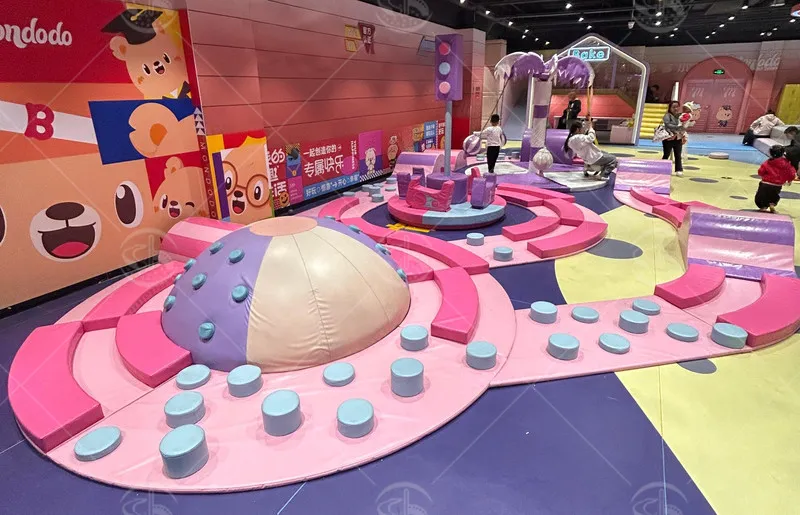
Many investors believe that the higher the foot traffic, the better, but this is a one-sided view. High foot traffic does not necessarily equate to high conversion rates. For example, an area with a high concentration of office buildings may have heavy foot traffic, but the number of children in that area is limited.
An ideal location for indoor active entertainment center should meet the following criteria:
- A concentration of family customers
- Convenient parking
- Family-oriented retail and entertainment options in the vicinity
Ideal locations include:
- Shopping malls
- Neighborhood commercial centers
- Large residential communities
Mistake 3: Underestimating Startup Costs
This is a major cause of cash flow crises. Many investors only factor in rent, renovations, and playground equipment costs, while overlooking a host of hidden costs. If the budget is insufficient, the project may face financial pressure even before it opens.
Common Hidden Costs
Include:
- Installation fees
- Insurance
- Business licenses
- Fire safety permits
- Marketing and promotion
- Employee training
- Contingency funds
Mistake 4: Overemphasizing Low-Cost Equipment
Purchasing an indoor obstacle playground is one of the biggest expenses. As a result, many entrepreneurs focus solely on price. This is risky. It may seem cheap in the short term, but it ends up costing more in the long run.
Mistake 5: Neglecting Safety and Compliance
The indoor recreation playground industry relies heavily on safety. Safety must always be the top priority. Safety incidents can lead to serious consequences, such as damage to the brand, legal risks, and the risk of business suspension. However, some entrepreneurs do not invest enough in this area.
Essential Safety Considerations
Include:
- Equipment certification
- Regular maintenance
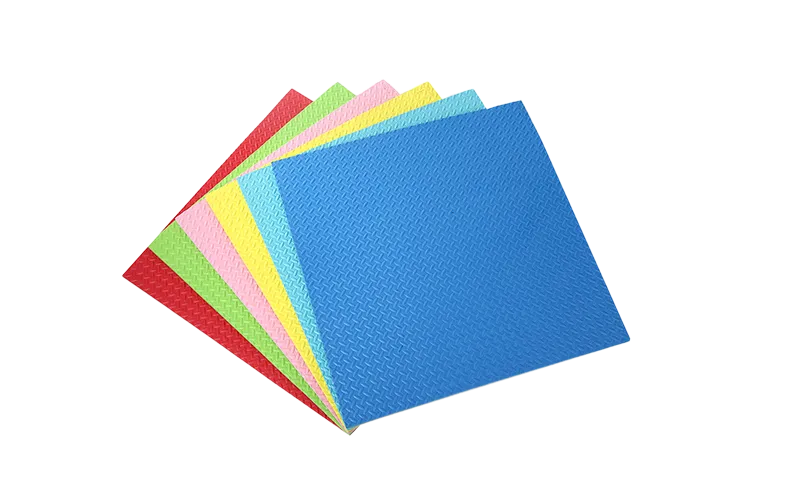
- Floor safety soft padding
- Fire safety regulations
Mistake 6: Poor Indoor Playground Design Ideas
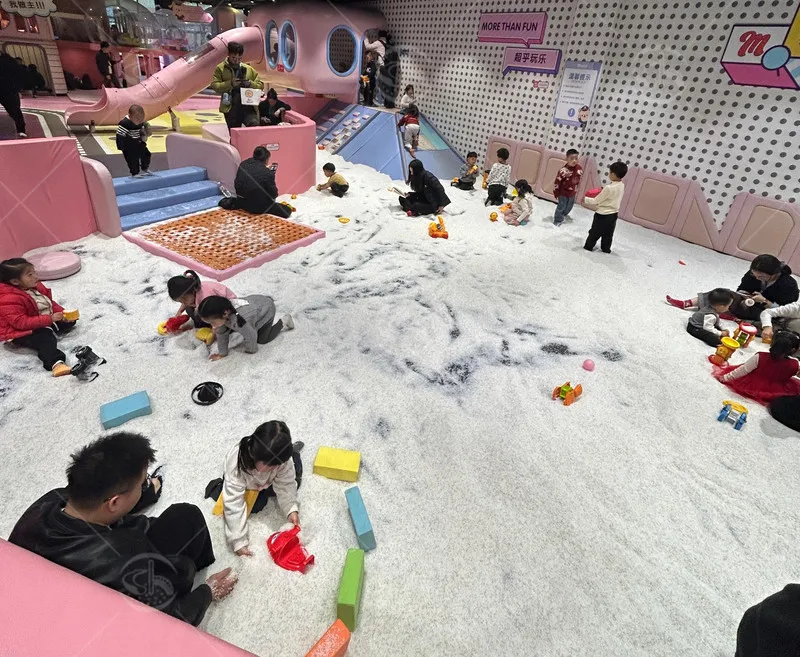
No matter how high-quality the soft indoor play attraction is, a poor layout will still negatively impact the customer experience. Common issues include confusing traffic flow, wasted space, severe congestion, and insufficient rest areas for parents. A problematic layout directly affects customer experience, dwell time, table turnover efficiency, and word-of-mouth recommendations.
Principles for an Effective Indoor Playground Custom Layout
Recommendations include:
- Clear entrance
- Unobstructed views
- Logical zoning
- Parent observation area
Traffic flow design directly impacts sales per square foot.
Mistake 7: Focusing Only on the Grand Opening and Neglecting Operations
Many entrepreneurs focus their efforts on renovations and the grand opening. But the real challenge lies in operations. The grand opening is just the beginning.
Ongoing optimization is required in the following areas:
- Customer traffic
- Repeat purchases
- Word-of-mouth
Without a solid operational strategy, it’s difficult to remain profitable in the long term.
Mistake 8: Failing to Establish a Membership Program
Operating a soft play attraction like this solely on a walk-in basis carries high risks, as visitor traffic is unstable and customer acquisition costs are high.
A membership program can improve cash flow, user retention, and repeat purchase rates. Revenue from memberships can enhance the business’s resilience to risks.
Common membership models
include:
- Monthly passes
- Quarterly passes
- Annual passes
- Prepaid cards
Mistake 9: Overly Traditional Marketing Methods
Currently, many playground equipment operators still rely on flyers, in-person promotions, and offline advertising, which are becoming increasingly ineffective today. The children's play industry is naturally well-suited for visual communication, so we recommend the following more effective marketing methods:
- Social media management: Instagram, TikTok, Facebook, YouTube
- User-driven growth: Encourage users to share photos, videos, and experiences from their visits.
Mistake 10: Neglecting Customer Experience and Repeat Business
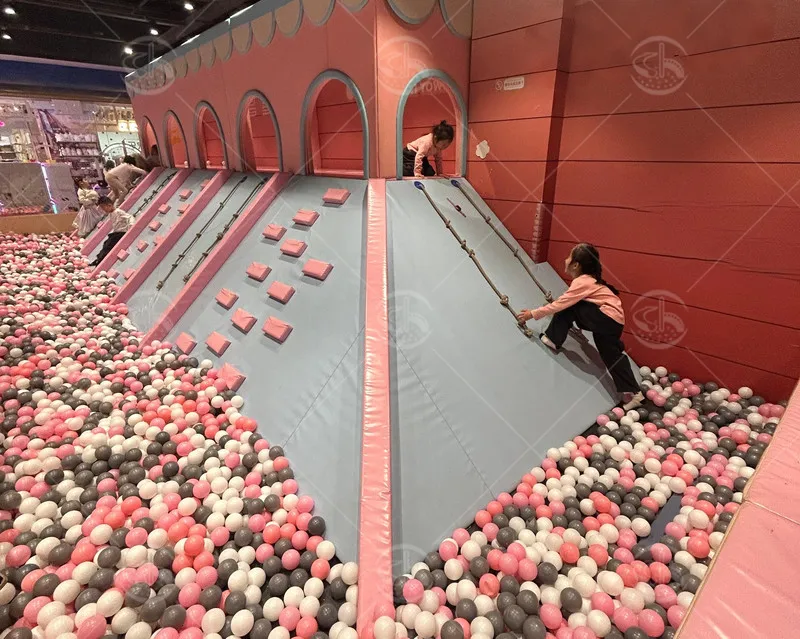
Many soft amusement playground park entrepreneurs focus solely on attracting new customers. However, true profits come from repeat business. If customers only visit once, it’s difficult to recoup the cost of acquiring them. So how can we increase repeat business?
We recommend prioritizing the following:
- Facility cleanliness: Hygiene directly impacts word-of-mouth.
- Service quality: Staff attitude is crucial.
- Activity updates: Regularly introduce new activities. A sense of novelty can boost return rates.
Mistake 11: Failing to Set Aside a Cash Reserve
Many fantasy themed indoor playgrounds go out of business not because they aren’t profitable, but because they run out of cash.
Cash flow problems are particularly common during:
- the off-season
- the initial opening phase
- the expansion phase
Mistake 12: Lack of a Long-Term Business Plan for Commercial Children Entertainment Equipment
Many entrepreneurs focus only on short-term profits without a long-term strategy. Long-term thinking determines the ceiling of your business.
A long-term plan should include:
- Brand building
- Chain expansion
- Product upgrades
- Digital operations
How to Increase the Success Rate of an Indoor Playground Equipment Business?
Successful playground projects typically share the following characteristics:
- Conduct thorough preliminary research: Understanding the market is more important than investing blindly.
- Choose a reliable commercial playground supplier: High-quality equipment determines the experience and safety.
- Prioritize operational capabilities: Operations determine long-term profitability.
- Build a brand advantage: Differentiation is key to avoiding price wars.
Summary
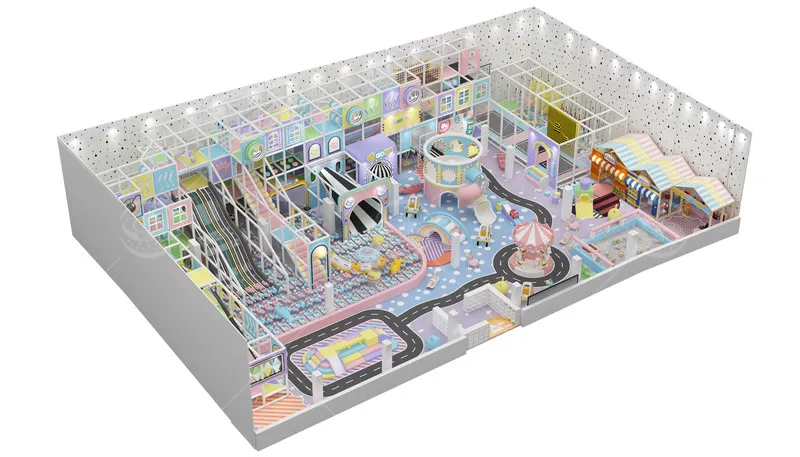
Starting an indoor playground business is not simply a matter of renting a space, purchasing play equipment, and opening a commercial playground business. What truly determines the success or failure of a project is the quality of initial decision-making and operational capabilities down the line. For entrepreneurs, identifying risks in advance and systematically planning resources are far more important than blindly expanding.
It is crucial to avoid the following common mistakes:
- Failing to conduct market research
- Choosing the wrong location
- Underestimating costs
- Purchasing low-quality equipment
- Neglecting safety
- Lacking an operational framework
Only by avoiding these common pitfalls and establishing a sound operational framework can an indoor playground business achieve long-term, stable profitability and stand out in a highly competitive market.